

 ITALIANO
  ENGLISH
  FRANÇAIS
  DEUTSCH
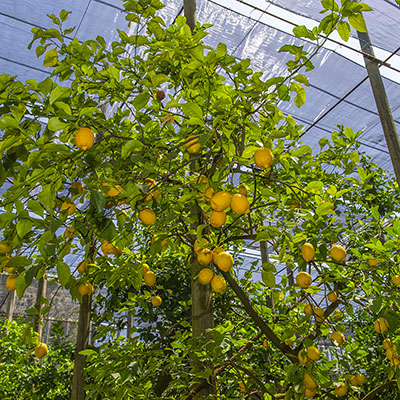
Cultivation
Sorrento PGI Lemons are grown according to strict specifications, respecting ancient traditional methods combined with the most modern agronomic techniques. No additives or chemicals are used; special covers are used to protect the plants from the elements.
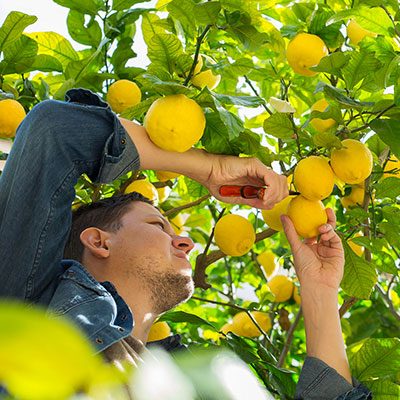
Fruit harvest
Lemons are always harvested by hand, avoiding contact with the ground, to preserve the integrity of the fruit.
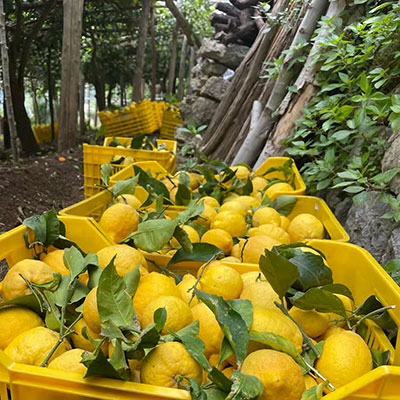
Transport
To always have the best quality lemons, it is necessary to take appropriate precautions to prevent them from deteriorating during transport. Therefore, transport is carried out using suitable containers to avoid damaging the fruit.
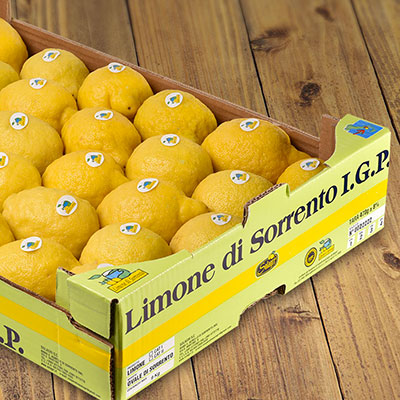
Fresh product
The regulations allow the sale of fresh Sorrento PGI lemons. These are available in crates weighing up to 8 kg. Alternatively, they are packaged in convenient Vertbags: net bags with a band containing the producer's information, weight, etc.
Food processing
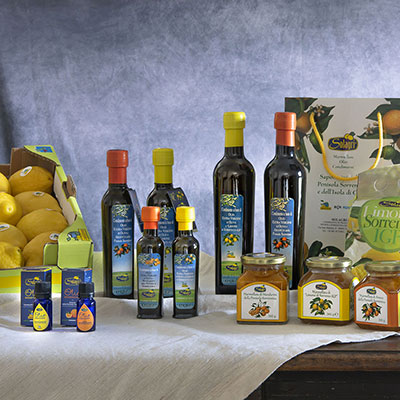
The Sorrento Lemon PGI is ideal for preparing various products, including jam, made exclusively with the fruit and sugar; condiments, prepared with Sorrento Lemon PGI Essential Oil and extra virgin olive oil; and essential oil, excellent in both food preparations and cosmetics.
Destination / B2B
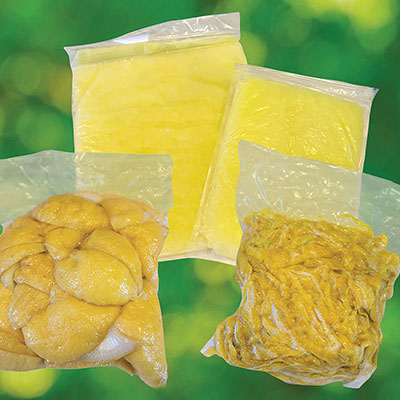
In addition to fresh fruit and various consumer products, the supply chain also caters to professional customers, offering a range of frozen products based on Sorrento PGI lemons: juice, for making granitas and ice cream; peel, suitable for making the renowned Limoncello; and scorzoni.

Point of sale
At the end of the itinerary, the Sorrento PGI Lemon arrives at the various points of sale, where customers can purchase them.
A true supply chain is the sum of all the places and people involved in creating the finished product. These are places that can be visited in real life, a journey along which to meet the people, men and women, whose work brings to life the products we enjoy on our tables.
It was the French agronomist Louis Malassis who, in the 1960s, defined the supply chain as the path followed by a product within the agri-food system.
He identified the five stages of product development until reaching the final consumer.
Planning: market analysis, financing, recipe development, etc.
Cultivation: of the raw materials
Processing: in the case of lemons, brushing, selection, sizing, juice extraction, peel separation, etc.
Packaging: crates, nets, vertbags, etc.
Distribution: to the consumer.
The concept of the supply chain, therefore, aims to communicate values of traceability, transparency, and high quality.
